Digital Transformation (Execution-First Modernization)
Modernize systems and delivery so AI initiatives can succeed. Practical roadmap, pilot-first execution, and measurable outcomes—without hype.
About Digital Transformation

About Jacek Trefon
Digital transformation fails when it's treated as slogans instead of delivery. I help you simplify systems, improve throughput, and modernize the foundations (data, integrations, operating model) so initiatives ship and stick—with governance and measurable outcomes.
Why Choose This Digital Transformation Approach?

Execution-First Roadmap
A realistic plan with sequencing, constraints, and measurable outcomes—so the work ships

Pilot-First Delivery
Ship a focused pilot quickly, validate impact, then scale with confidence

Foundations for AI
Modernize the data/integration and operating model foundations that make AI initiatives actually work

Governance and Adoption
Controls, ownership, and enablement so changes are adopted and sustained
What You Get
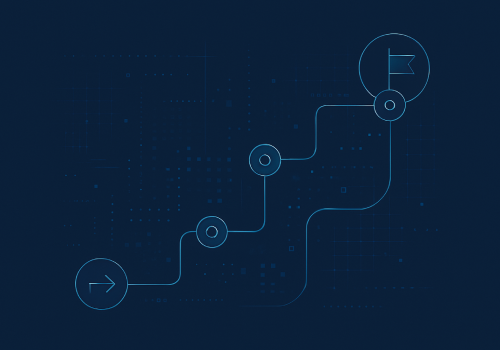
Current State Assessment
Map workflows, systems, constraints, and failure modes so you fix the real bottlenecks.
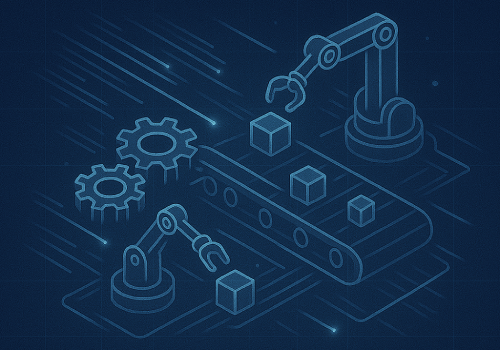
Modernization Roadmap
A sequenced plan with tradeoffs, dependencies, and measurable success metrics.
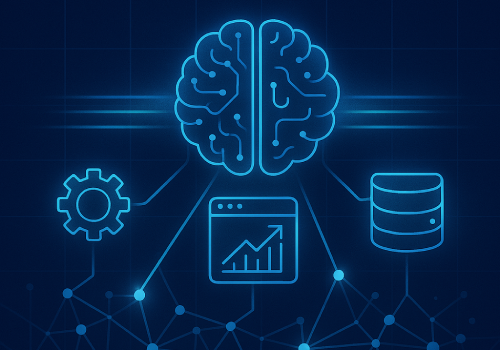
Pilot Delivery Plan
Pilot-first execution plan that validates impact quickly and sets up scaling.

Data and Integration Foundations
Data access, integrations, security posture, and governance needed for reliable delivery.

Delivery Operating Model
Roles, cadence, ownership, and metrics so the plan can be executed by your teams.
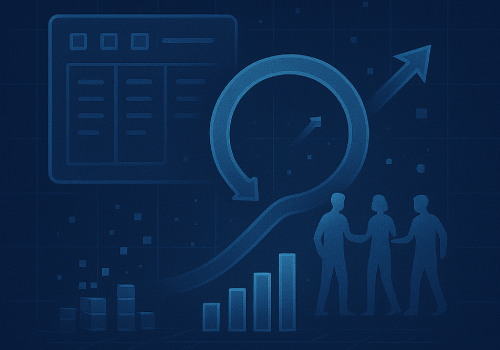
Change Enablement
Enable teams to adopt changes safely with training, documentation, and rollout support.
Governance and Risk Controls
Controls and guardrails so modernization and AI work stays secure, compliant, and stable.

Ongoing Support
Support and iteration where needed to keep delivery aligned to outcomes.
How It Works
- Assessment & Goals: clarify outcomes, constraints and success metrics
- Roadmap & Pilot: prioritize initiatives and launch a measurable pilot
- Scale & Enable: implement, govern, and enable teams for sustained impact
Frequently Asked Questions About Digital Transformation
Digital transformation refers to the integration of digital technology into all areas of a business, fundamentally changing how you operate and deliver value to customers. It involves a cultural shift that requires organizations to continually challenge the status quo, experiment, and get comfortable with failure.
Digital transformation is crucial for businesses to remain competitive in today's fast-paced digital landscape. It enables organizations to improve efficiency, enhance customer experiences, and adapt to changing market conditions. By embracing digital transformation, businesses can unlock new revenue streams and drive innovation.
Signs that your organization may need digital transformation include outdated processes, lack of data-driven decision-making, poor customer experiences, and difficulty adapting to market changes. If you're facing these challenges, it may be time to consider a digital transformation strategy.
A successful digital transformation strategy typically includes a clear vision and goals, a focus on customer experience, data-driven decision-making, agile methodologies, and a commitment to continuous improvement. It's also essential to foster a culture of innovation and collaboration within your organization.
The duration of a digital transformation process varies depending on the size and complexity of your organization, as well as the specific goals of your strategy. Some organizations may see significant improvements within a few months, while others may take years to fully realize the benefits of digital transformation.
Leadership is critical to the success of digital transformation initiatives. Leaders must champion the transformation process, communicate a clear vision, and foster a culture of innovation and collaboration. They should also be willing to invest in the necessary resources and support their teams throughout the transformation journey.
Success can be measured through various key performance indicators (KPIs), such as improved operational efficiency, enhanced customer satisfaction, increased revenue, and greater employee engagement. It's essential to establish clear goals and metrics at the outset of your digital transformation journey to track progress and make data-driven adjustments as needed.
Common challenges include resistance to change, lack of clear vision and strategy, insufficient resources, and difficulty in integrating new technologies with existing systems. To overcome these challenges, organizations should prioritize change management, invest in employee training, and ensure strong leadership support throughout the transformation process.
To ensure employee buy-in, it's essential to communicate the benefits of digital transformation clearly and involve employees in the process. Providing training and support, addressing concerns, and fostering a culture of collaboration can help create a sense of ownership and commitment among employees.
Common technologies used in digital transformation include cloud computing, artificial intelligence, machine learning, data analytics, the Internet of Things (IoT), and automation tools. These technologies can help organizations streamline processes, enhance customer experiences, and drive innovation.
To get started with digital transformation, begin by assessing your organization's current state, identifying areas for improvement, and defining clear goals. Engage stakeholders across the organization, develop a comprehensive strategy, and prioritize initiatives that align with your business objectives. Consider seeking expert guidance to ensure a successful transformation journey.

Explore Our Insights on Digital Transformation
Discover articles and resources that delve into the latest trends, strategies, and best practices in digital transformation

Ready to Transform Your Business?
Start with a fixed-scope audit to scope your modernization roadmap and a pilot you can ship with measurable outcomes.
Request the Audit
How It Works:
- Submit context: goal, constraints, and desired outcomes
- I'll reply within 24 hours to confirm fit and next step
- We'll scope a feasibility-first plan with success metrics
Message received
We will get back to you shortly